
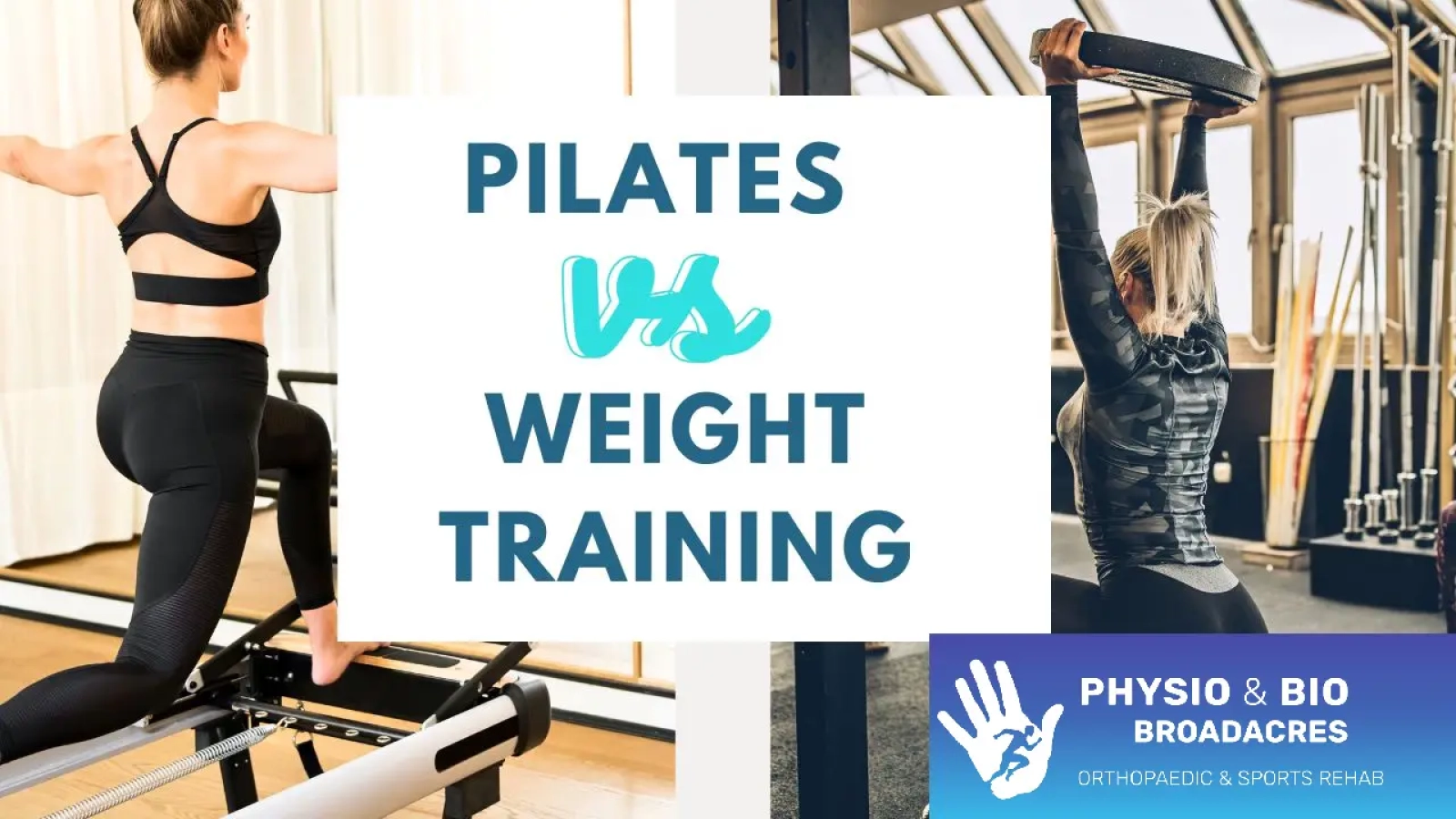
Okay, picture this: you're finally on the mend from that nagging lower back pain that's been cramping your style for months. Maybe it started with a dodgy lift at the gym, or perhaps it's the toll of sitting through endless Zoom calls in your Fourways home office. Whatever the culprit, you're itching to get moving again—but hold up. Do you ease in with the graceful flow of Pilates, or dive into heavy strength training to build that ironclad core?
As a physio who's spent the last decade at Broadacres Physio in Broadacres, Fourways, I've had this chat with countless Johannesburg locals. From busy execs dodging William Nicol traffic to weekend warriors hitting the trails at Delta Park, everyone wants to know: what's the smartest path to staying pain-free? The answer isn't one-size-fits-all—it's about timing, your body's signals, and sometimes blending the two like a perfect flat white.
Drawing from the latest buzz in rehab research (like those 2025 studies showing Pilates edging out for pain relief in some cases, but strength training shining for long-term stability), let's break it down. I'll share real stories from our clinic, why each approach works, when to pick one over the other, and how to mash them together without risking a setback. If you're dealing with lower back pain recovery in Fourways, stick around—this could be your roadmap to ditching the discomfort for good. And hey, if it resonates, pop over to www.baphysio.co.za to book a chat with us at Broadacres Physio.
First Things First: Why Your Back's Still Bugging You (Even After "Recovery")
Lower back pain doesn't vanish overnight. Whether it's from a slipped disc, muscle strain, or just years of poor posture, recovery means rebuilding strength, flexibility, and stability. But rush it, and you're back to square one—pun intended.
At Broadacres Physio in Broadacres, Fourways, we see this all the time. Folks think they're "fixed" after a few weeks off, but without the right exercise, those deep core muscles (like your transversus abdominis) stay weak, leaving your spine vulnerable. Recent studies, like one from 2025 in the Journal of Health and Wellness Care Research, highlight how core instability keeps pain lingering. So, choosing between Pilates and heavy strength training? It's about matching the tool to your stage of healing.
Pilates: The Gentle Giant for Early Recovery and Pain Relief
Let's kick off with Pilates— that mindful, mat-based magic that's all about control, breathing, and precision. If your lower back pain is still fresh (say, in the first 3-6 months post-injury), or if you're dealing with chronic twinges that flare up with everyday stuff like bending to tie your shoes, Pilates might be your best mate.
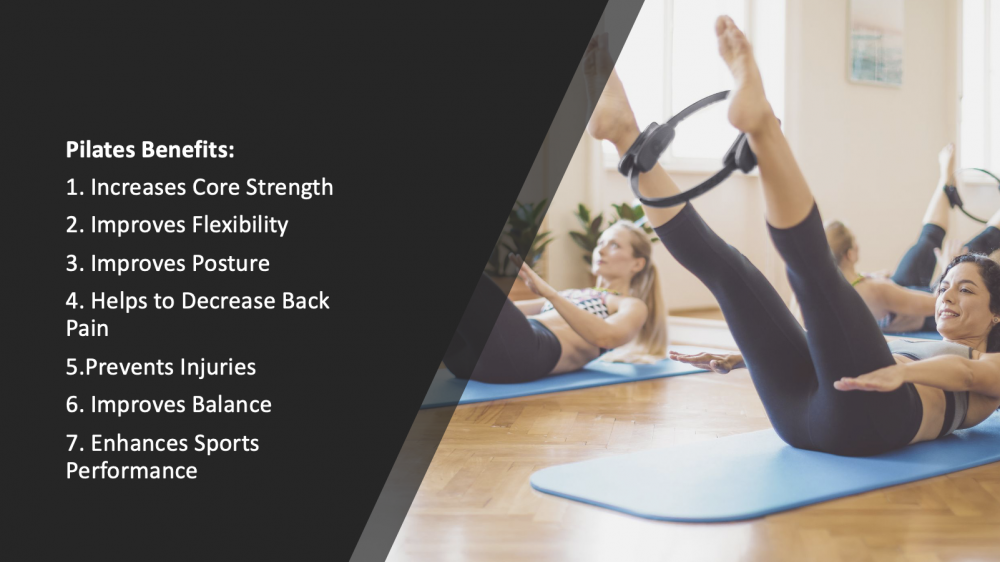
Why it rocks for back pain: Pilates zeros in on your "powerhouse" — that deep core, pelvic floor, and spinal stabilizers. Moves like the Hundred or Teaser engage those muscles without the high impact, improving posture and reducing strain on your lumbar spine. A 2025 meta-analysis by Patti et al. found Pilates significantly better at slashing low back pain than no exercise or even some basic strength routines. It's like giving your back a hug from the inside out.
When to choose it:
- If you're new to exercise or coming off a serious flare-up. (Think: that time you tweaked your back carrying groceries from Pick n Pay in Fourways.)
- For folks with desk jobs in Johannesburg—Pilates counters that forward slump, easing tension headaches and shoulder knots too.
- When pain is your main enemy. Studies from 2024-2025, like one in Physiotherapy Theory and Practice, show Pilates excels at disability reduction and quality-of-life boosts, often more than generic home exercises.
Real talk from the clinic: Take Sarah, a 38-year-old marketing whiz from Lonehill who hobbled into Broadacres Physio after months of sciatica. Heavy weights? No way—she could barely stand straight. We started with modified Pilates sessions twice a week: slow roll-ups, bird-dogs, and breathing drills. Within eight weeks, her pain dropped from a 7/10 to a 2, and she was back to yoga classes without fear. "It felt like I was rebuilding my foundation," she told me. If that's you, Pilates is forgiving and effective—low risk, high reward.
But here's the caveat: Pilates isn't about bulking up. If your goal is serious strength (like deadlifting your bodyweight), it might not cut it alone. That's where heavy training enters the chat.
Heavy Strength Training: Building a Bulletproof Back for the Long Haul
Now, flip the script to heavy strength training—think squats, deadlifts, and rows with barbells or kettlebells. This is the powerhouse approach for when your back's stabilized and you're ready to level up. It's not for the faint-hearted (or freshly injured), but done right, it's a game-changer for preventing future pain.
The science scoop: Heavy lifting targets big muscle groups like your glutes, lats, and erector spinae, creating a "corset" of support around your spine. A 2025 BU Today article breaks down the pros: while Pilates boosts mobility and stability with lighter loads, heavy training builds raw power and endurance. Research from the British Journal of Sports Medicine (updated 2025) shows strength programs cut chronic low back pain recurrence by up to 50%—way better for long-term resilience.
When to choose it:
- Once you're pain-free for 4-6 weeks and cleared by a physio (like us at Broadacres Physio).
- If you're an active type—runners in Fourways or golfers at Steyn City—who need explosive strength to avoid tweaks during sports.
- For building overall body armor. If your job involves lifting (hello, warehouse workers in Johannesburg), this preps you for real-life demands.
Clinic confession: Mike, a 45-year-old builder from Paulshof, came to us post-herniated disc. Pilates got him moving, but he needed more to handle his tools without wincing. We phased in heavy strength: Romanian deadlifts at 50% bodyweight, progressing to full loads. Six months in, he's lifting heavier than pre-injury and says, "My back feels unbreakable." But we started slow—form first, ego last—to dodge re-injury.
The risk? Jump in too soon, and you could aggravate things. A 2025 study in Advances in Rehabilitation warns that without proper form, heavy training can worsen pain. That's why supervision matters.
The Winning Combo: When (and How) to Blend Pilates and Heavy Strength Training
Why pick sides when you can have both? At Broadacres Physio in Broadacres, Fourways, we often recommend a hybrid for the best of both worlds—Pilates for finesse, heavy training for fortitude. A 2025 study in the International Journal of Physiotherapy found core stabilization (Pilates-style) plus strength exercises outperformed either alone for lumbar mobility and pain relief.
How to combine them smartly:
- Phase 1 (Weeks 1-4 post-clearance): Start with Pilates 2-3 times a week to rebuild control. Add light bodyweight strength (planks, bridges) for a gentle intro.
- Phase 2 (Weeks 5-8): Layer in heavy elements—squats with moderate weights, focusing on form. Alternate days: Pilates Monday/Wednesday, strength Tuesday/Thursday.
- Ongoing Maintenance: Mix sessions—maybe a Pilates flow followed by deadlifts. Listen to your body; if pain spikes, dial back to Pilates.
Pro tip from our clinic: Track your progress in a journal. And always warm up with dynamic moves to prime your spine. For Johannesburg folks battling traffic stress (which tightens backs), we throw in breathing drills from Pilates to keep things chill.
One hybrid success: Lisa, a 50-year-old accountant from Fourways, blended both after chronic pain from desk life. Pilates eased her daily aches; strength gave her the oomph for family hikes. "It's like my back got a software update," she laughed.
Wrapping It Up: Your Back's Future Starts Here
Lower back pain recovery isn't a sprint—it's a strategic dance between gentle rebuilding and powerhouse strengthening. Pilates shines for pain relief and early stages; heavy strength training fortifies for life; together, they're unstoppable. But remember, everyone's back is unique—what works for a Fourways runner might not for a Sandton desk jockey.
If you're in Johannesburg and ready to tailor this to you, swing by Broadacres Physio in Broadacres, Fourways. We'll assess your pain, craft a plan (Pilates, strength, or hybrid), and get you moving without the fear. Book your spot at www.baphysio.co.za today—let's turn that back pain into a distant memory. You've got this; we're here to help every step (or squat) of the way.
Take Control of Your Pain Today
Don’t let pain or stiffness hold you back. Heat and cold therapy at Broadacres Physio in Broadacres, Fourways can help you manage discomfort, recover faster, and live an active life. Our expert physiotherapists are ready to guide you with personalized, science-backed care.
Ready to feel the difference? Visit www.baphysio.co.za to book your appointment today. Let Broadacres Physio help you thrive in Fourways, Johannesburg!
📍 Visit us at Broadacres Physio in Fourways
📞 Call us on 011 467 8300
📧 Email us at admin@baphysio.co.za
🌐 www.baphysio.co.za
Let’s get you moving, healing, and thriving — the way your body was designed to.
Broadacres Physio – Where Healing Starts With Understanding
At Broadacres Physio, we believe that healing starts by understanding you. By treating the underlying causes — not just the symptoms — we give you the tools, knowledge, and support to reclaim your health and stay pain-free for the long run.
Let’s keep you moving. Book your session today at www.baphysio.co.za.
Add a Comment