
If you’ve ever finished a run, stood up after a long meeting, or bent down to tie your shoes and felt that familiar pull in the back of your thighs, you’re not alone. Tight hamstrings are one of the most common complaints we hear at Broadacres Physio in Fourways.
Many people in Johannesburg spend weeks (or even months) stretching their hamstrings every day, only to find the tightness returns within hours. If this sounds like you, the problem is rarely just “tight muscles.” There’s usually something deeper going on — and that’s exactly where physiotherapy makes the real difference.
Why Stretching Alone Often Doesn’t Fix Tight Hamstrings
Let’s be honest: most of us were taught that tight hamstrings simply need more stretching. While stretching can give short-term relief, it rarely solves the root cause. In fact, aggressive or repetitive hamstring stretching can sometimes make the problem worse by irritating nerves or creating muscle guarding.
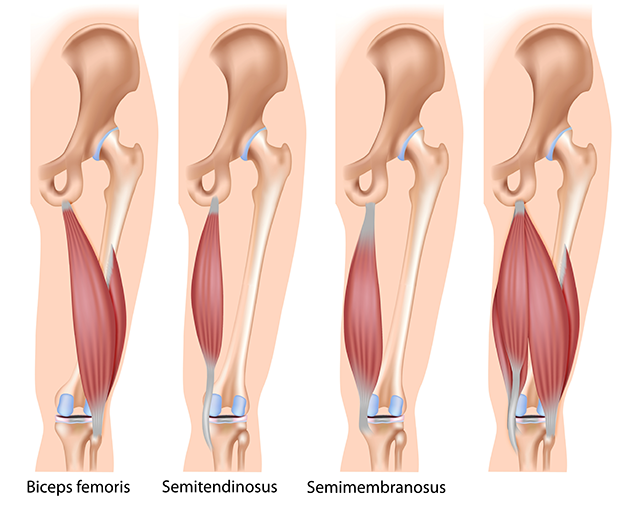
Your hamstrings (the group of muscles at the back of your thigh) don’t tighten in isolation. They often react to issues elsewhere in the body. At our practice in Broadacres, we see three main reasons why hamstrings stay tight despite regular stretching:
1. Nerve Tension (Neural Sensitivity)
The sciatic nerve runs straight through the hamstrings. When there’s even mild irritation or restriction higher up in the lower back or pelvis, the hamstrings can tighten protectively to guard the nerve. This creates a cycle where stretching feels like it helps for a moment, but the tightness quickly returns.
2. Weak or Underactive Glutes and Core
When your glute muscles (especially gluteus maximus) aren’t firing properly, your hamstrings have to work overtime to control movement, especially when bending forward or running. The hamstrings then stay in a shortened, overworked state. This pattern is extremely common in office workers and runners across Johannesburg.
3. Pelvic and Lower Back Dysfunction
A tilted or stiff pelvis, or restricted movement in the lower back, changes the length-tension relationship of the hamstrings. Even if you stretch for 20 minutes a day, the muscle will keep tightening because the joint mechanics above it are off.
4. Compensation from Poor Posture or Sitting Habits
Long hours at desks in Fourways offices, combined with stop-start traffic on William Nicol or the N1, put the hamstrings in a constantly shortened position. Over time, the nervous system adapts and keeps them “switched on” for protection.
What a Proper Physiotherapy Assessment Looks Like
This is where Broadacres Physio takes a completely different approach from generic stretching advice.
When you come in for an assessment with Nicola Walker, Jessica Krone, or Gemma Schultz, we don’t just test how far you can touch your toes. We look at the whole picture:
- How your lower back and pelvis move
- Glute and core activation patterns
- Nerve mobility (straight leg raise and slump tests)
- Hip joint mobility
- Running or walking gait (if relevant)
- Daily movement habits and posture
This thorough assessment helps us identify whether your tight hamstrings are the primary problem or simply a symptom of something else. Most of the time, they’re a symptom.
What Physio Actually Does to Fix Tight Hamstrings Long-Term
Once we understand the real cause, treatment becomes targeted and far more effective. Here’s what we typically do at our Fourways practice:
Manual Therapy and Joint Mobilisation
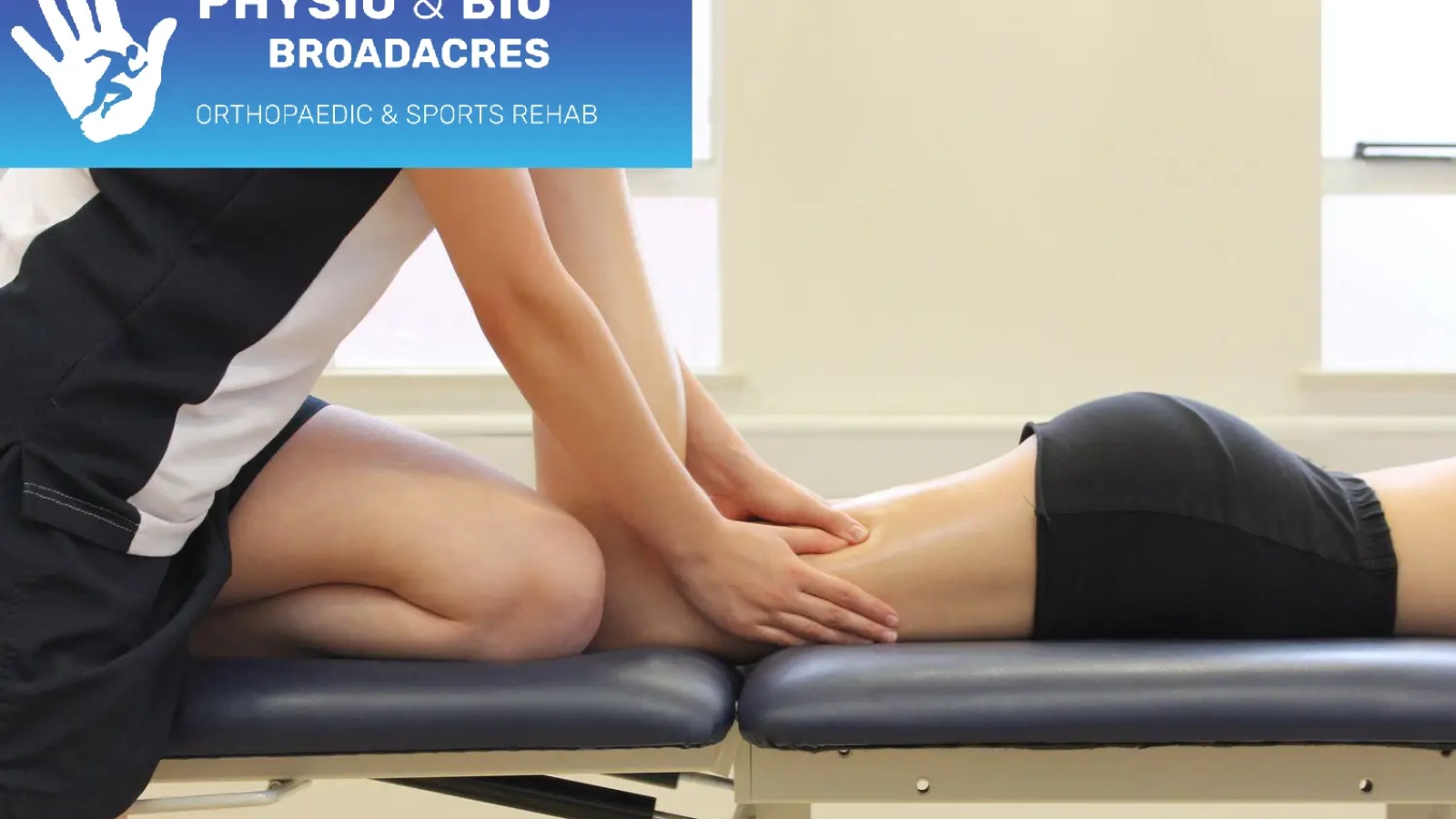
Gentle hands-on techniques release stiffness in the lower back and pelvis, taking pressure off the sciatic nerve and allowing the hamstrings to relax naturally.
Targeted Strengthening (Not Just Stretching)
We focus on activating and strengthening the glutes and deep core muscles. When these muscles start doing their job properly, the hamstrings no longer have to overwork and can gradually lengthen without being forced.
Neural Mobilisation (Nerve Gliding)
Special gentle exercises that improve the mobility of the sciatic nerve without aggressive stretching. This often gives fast relief from that “pulling” sensation.
Movement Retraining
We teach you how to bend, lift, run, and sit with better mechanics so the hamstrings aren’t constantly under strain.
Dry Needling or Soft Tissue Release (when appropriate)
Targeted release of trigger points in the hamstrings, calves, or glutes can break the protective cycle.
Practical Tips You Can Use Right Now
While you wait for your physio appointment, try these smarter strategies instead of forceful stretching:
- Glute Activation Drills Do 2–3 sets of 10 single-leg bridges or glute squeezes daily. Focus on squeezing your buttocks, not just lifting your hips.
- Gentle Nerve Glides Sit on the edge of a chair, extend one leg slowly while keeping your back straight, then gently flex and point your foot. Do 8–10 slow repetitions per side. Stop if you feel sharp pain.
- Better Sitting Posture Use a small lumbar roll or rolled towel behind your lower back. Stand up and walk for 2 minutes every 30–45 minutes.
- Foam Rolling the Glutes and Calves Roll the buttocks and calf muscles instead of directly attacking the hamstrings every day.
- Short Daily Walks Walking with good posture helps maintain natural hamstring length without over-stretching.
When Should You See a Physiotherapist?
Book an appointment with a physiotherapist in Fourways or Broadacres physio if:
- Your hamstrings feel tight even after warming up
- You get a sharp or burning sensation when stretching
- Tightness returns within hours of stretching
- You have any lower back discomfort along with tight hamstrings
- You’ve had recurring hamstring strains or “pulls”
- You’re a runner or gym-goer in Johannesburg and notice decreasing flexibility or performance
The earlier you address the real cause, the faster and more complete the results.
Tight Hamstrings and the Johannesburg Lifestyle
Between long commutes, desk-based jobs in Fourways and Sandton, weekend runs around local parks, and gym sessions after work, many Gauteng residents put their bodies under constant repetitive stress. Add in the occasional big event like the Garmin Run Series or Comrades training, and tight hamstrings become almost inevitable without proper management.
At Broadacres Physio, we understand the demands of an active Johannesburg life and tailor every treatment plan to fit real schedules — whether you’re a busy professional, parent, or serious runner.
Conclusion
Tight hamstrings that never seem to loosen are rarely just a muscle problem. They’re usually your body’s way of signalling that something else needs attention — whether it’s your glutes, lower back, nerves, or movement patterns.
Instead of forcing more stretches that only give temporary relief, a proper physiotherapy assessment can identify the root cause and give you lasting freedom of movement.
Nicola Walker, Jessica Krone, and Gemma Schultz at Broadacres Physio have helped hundreds of Fourways and Johannesburg residents finally move beyond chronic hamstring tightness and get back to enjoying an active life without constant discomfort.
Ready to stop the endless stretching cycle and fix the real problem?
Contact Broadacres Physio today to book your detailed assessment. Our welcoming practice in Broadacres, Fourways is equipped to help you understand exactly why your hamstrings keep tightening and create a personalised plan that actually works.
Visit https://www.baphysio.co.za or WhatsApp us to schedule your appointment.
Take the first step towards truly flexible, strong, and pain-free hamstrings.
Internal linking suggestions:
- Link to “Hip Pain in Runners: Prevention and Recovery Tips”
- Link to “Understanding Lower Back Pain: Common Causes and How Physio Can Help in Johannesburg”
- Link to “Desk Stretches You Can Do in 5 Minutes at Work”
- Link to “Posture Correction for Teenagers Using Phones and Laptops”
FAQ
Q1: Why do my hamstrings feel tight even when I stretch every day? Tight hamstrings are often a protective response to issues in your lower back, pelvis, or weak glutes. Stretching alone doesn’t address these underlying causes.
Q2: Is it bad to stretch tight hamstrings aggressively? Yes, it can irritate nerves and create more muscle guarding. Gentle, targeted mobility work guided by a physiotherapist is much more effective.
Q3: How long does it take to see improvement with physiotherapy? Many patients notice reduced tightness within 2–4 sessions, but lasting results usually come after 6–8 weeks of consistent treatment and home exercises.
Q4: Can weak glutes really cause tight hamstrings? Absolutely. When your glutes don’t work properly, your hamstrings compensate by working harder and staying in a shortened position.
Q5: Do I need a doctor’s referral to see a physiotherapist at Broadacres Physio? No referral is required. You can book directly with our team in Fourways.
Take Control of Your Pain Today
Don’t let pain or stiffness hold you back. Heat and cold therapy at Broadacres Physio in Broadacres, Fourways can help you manage discomfort, recover faster, and live an active life. Our expert physiotherapists are ready to guide you with personalized, science-backed care.
Ready to feel the difference? Visit www.baphysio.co.za to book your appointment today. Let Broadacres Physio help you thrive in Fourways, Johannesburg!
📍 Visit us at Broadacres Physio in Fourways
📞 Call us on 011 467 8300
📧 Email us at admin@baphysio.co.za
🌐 www.baphysio.co.za
Let’s get you moving, healing, and thriving — the way your body was designed to.
Broadacres Physio – Where Healing Starts With Understanding
At Broadacres Physio, we believe that healing starts by understanding you. By treating the underlying causes — not just the symptoms — we give you the tools, knowledge, and support to reclaim your health and stay pain-free for the long run.
Let’s keep you moving. Book your session today at www.baphysio.co.za.
Add a Comment