
Watching your child sprint across the school field, score a goal, or cheer from the sidelines is one of the joys of parenthood. But behind every exciting moment in youth sports lies a hidden risk: growth plate injuries. These injuries, common in school sports and after-school activities, can sideline kids for weeks or months—and in rare cases, affect long-term bone growth if not managed properly.
At Broadacres Physio, situated in Broadacres, Fourways, Johannesburg, we treat many young athletes from local schools dealing with overuse pains, sprains, and growth-related issues. Our mission? Help parents, coaches, and kids enjoy safe, fun sports without unnecessary setbacks. In this guide, we break down what growth plate injuries are, why school-age kids are vulnerable, common warning signs, and practical prevention strategies every parent and coach in Fourways and Johannesburg should know.
What Are Growth Plates and Why Are They at Risk in Kids?
Growth plates (also called physes) are areas of soft, developing cartilage at the ends of long bones (like the femur, tibia, humerus) where lengthening and strengthening happen during childhood and adolescence. These plates are the last part of the bone to harden into solid bone—usually closing between ages 14–18 for girls and 16–20 for boys.
Because growth plates are softer and weaker than mature bone or surrounding ligaments/tendons, they’re the weak link in a growing body. A twist, fall, collision, or repetitive stress that would sprain an adult’s ligament can instead fracture or damage a child’s growth plate.
School sports like soccer, rugby, netball, cricket, athletics, and even playground games increase risk due to:
- Sudden stops, turns, jumps
- Contact or falls
- Repetitive throwing, kicking, or running
- Rapid growth spurts that make muscles/tendons temporarily tight and unbalanced
Overuse injuries (from playing the same sport year-round or too many hours per week) are especially concerning, accounting for many growth plate problems we see at Broadacres Physio.
Common Growth Plate Injuries in School Kids
- Acute fractures — From a fall or tackle (e.g., ankle twists in soccer, wrist fractures in gymnastics or falls)
- Overuse/stress injuries — Repetitive stress leading to inflammation or micro-damage (e.g., Little League elbow in cricket/baseball, Osgood-Schlatter or Sever’s disease in the knee/heel from running/jumping sports)
- Avulsion fractures — Where a strong tendon pulls a piece of bone away at the growth plate (common in hips, knees, elbows during explosive movements)
Symptoms to watch for:
- Persistent pain or tenderness near a joint (knee, ankle, elbow, wrist, shoulder)
- Swelling, warmth, or bruising
- Limping or reluctance to use the limb
- Pain that worsens with activity and improves with rest
- Reduced range of motion
If your child complains of ongoing pain—“it hurts when I run/jump/throw”—don’t ignore it. Early assessment at Broadacres Physio in Fourways can prevent bigger issues.
Top Prevention Strategies for Parents and Coaches
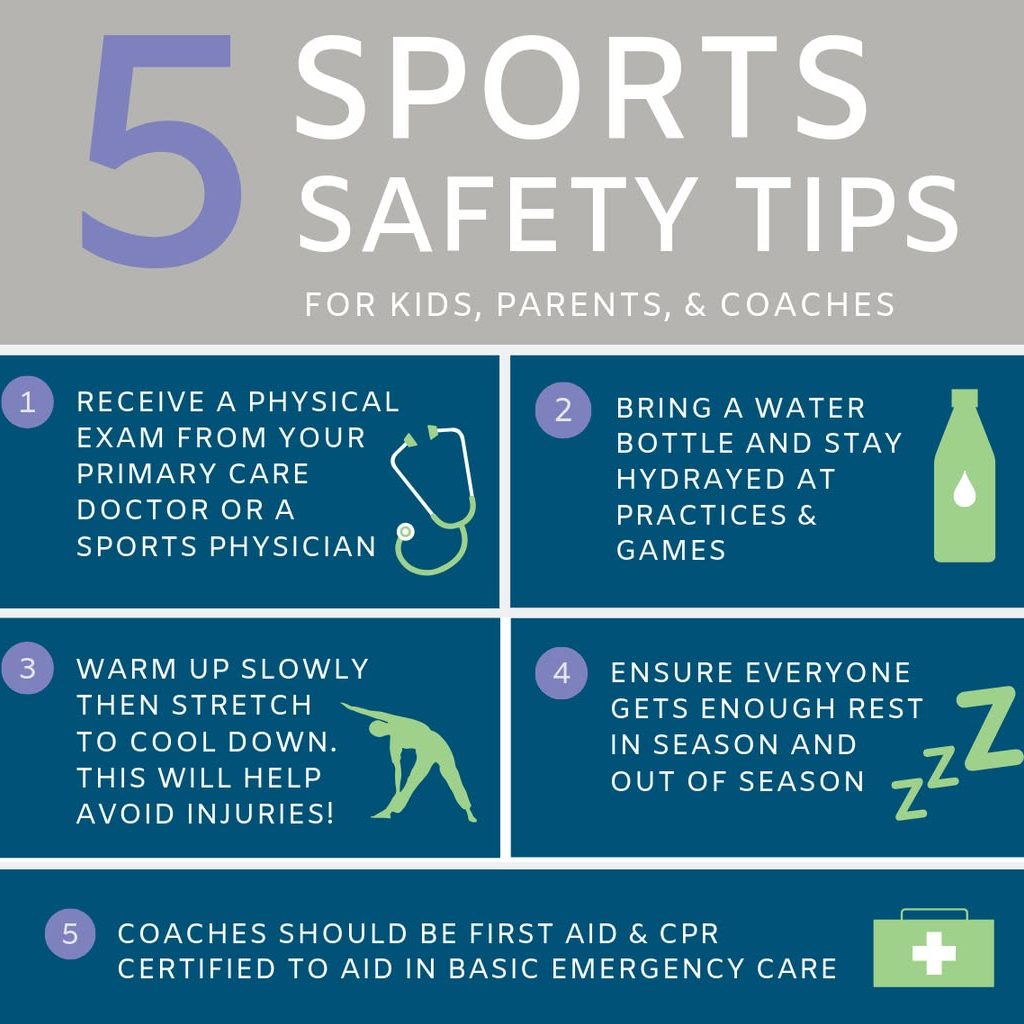
The best news? Most growth plate injuries in youth sports are preventable with smart habits. Here’s evidence-based advice tailored for school sports in Johannesburg:
- Encourage Variety – Avoid Early Sport Specialization Playing multiple sports builds balanced strength, improves coordination, and gives vulnerable growth plates recovery time. Limit one sport to no more than 8–9 months per year.
- Follow the “Hours = Age” Rule Kids should not train/play more hours per week than their age (e.g., 10-year-old = max 10 hours/week total organized sport). Include at least 1–2 full rest days per week and 1–3 months off per year from organized training.
- Prioritize Proper Warm-Up and Cool-Down Always start with 10–15 minutes of light cardio + dynamic stretches. End with static stretching and foam rolling if possible. This prepares muscles/tendons and reduces stress on growth plates.
- Focus on Technique and Age-Appropriate Training Coaches should teach correct form first—before adding speed or power. During growth spurts, reduce repetitive drills and volume temporarily. Incorporate strength, balance, and flexibility exercises.
- Ensure Proper Equipment and Footwear Well-fitted shoes, shin guards, mouthguards, helmets (where needed), and correctly sized gear reduce impact forces.
- Promote Rest, Sleep, and Nutrition Growing bodies need 9–11 hours of sleep nightly for hormone-driven repair. A balanced diet rich in calcium, vitamin D, and protein supports bone health.
- Listen to the Body – No “No Pain, No Gain” Teach kids to report pain early. Persistent pain near a joint needs rest and professional evaluation—don’t play through it.
When to Seek Help from Broadacres Physio
If your child has pain that lasts more than a few days, swells, or limits play, bring them to Broadacres Physio in Broadacres, Fourways. Our physiotherapists:
- Assess growth-related pains accurately
- Provide hands-on treatment, taping, or rehab exercises
- Guide safe return-to-sport plans
- Offer school-specific advice for coaches and parents
Early intervention often means quicker recovery and no long-term growth issues.
Keep the Fun in School Sports – Safely
Youth sports build confidence, teamwork, fitness, and lifelong healthy habits. By staying vigilant about growth plate safety, parents and coaches in Fourways, Johannesburg can help kids stay in the game longer and stronger.
Worried about your child’s aches after school matches? Or want personalized prevention tips for your team? Broadacres Physio is here to support every young athlete.
Book an assessment today at www.baphysio.co.za – let’s keep Johannesburg’s kids active, safe, and smiling on the field!
Take Control of Your Pain Today
Don’t let pain or stiffness hold you back. Heat and cold therapy at Broadacres Physio in Broadacres, Fourways can help you manage discomfort, recover faster, and live an active life. Our expert physiotherapists are ready to guide you with personalized, science-backed care.
Ready to feel the difference? Visit www.baphysio.co.za to book your appointment today. Let Broadacres Physio help you thrive in Fourways, Johannesburg!
📍 Visit us at Broadacres Physio in Fourways
📞 Call us on 011 467 8300
📧 Email us at admin@baphysio.co.za
🌐 www.baphysio.co.za
Let’s get you moving, healing, and thriving — the way your body was designed to.
Broadacres Physio – Where Healing Starts With Understanding
At Broadacres Physio, we believe that healing starts by understanding you. By treating the underlying causes — not just the symptoms — we give you the tools, knowledge, and support to reclaim your health and stay pain-free for the long run.
Let’s keep you moving. Book your session today at www.baphysio.co.za.
Add a Comment