
You’ve done the physio exercises, attended your sessions, and followed your home programme — yet recovery sometimes feels slower than expected. Many patients at Broadacres Physio in Fourways are surprised to learn that what they eat plays a major role in how quickly and effectively their body repairs injured muscles, tendons, ligaments, or post-surgical tissues.
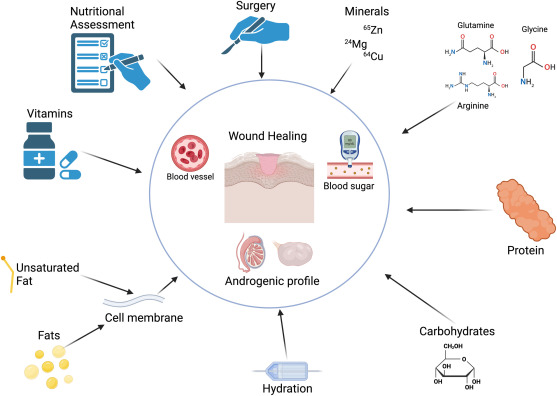
Nutrition isn’t just about fuelling your day. During healing, your body is in repair mode, building new collagen, reducing inflammation, and restoring strength. Getting the right nutrients — especially protein, vitamin D, and collagen-building foods — can make a noticeable difference in your progress.
At our Broadacres practice, we often remind patients that physiotherapy and good nutrition work together like a powerful team. While we handle the movement and manual therapy side, the food you choose every day supports the internal rebuilding process.
How Nutrition Supports the Healing Process
Tissue healing happens in overlapping phases: inflammation (clean-up), proliferation (building new tissue), and remodelling (strengthening). Each phase has specific nutritional demands.
Protein provides the amino acids needed to create new muscle fibres, repair damaged tendons, and produce collagen — the main structural protein in soft tissues.
Vitamin D helps regulate inflammation, supports immune function, and plays a role in muscle repair and calcium balance for any bone involvement.
Collagen (or the building blocks for it) supplies specific amino acids like glycine and proline that tendons, ligaments, and joint tissues crave during repair.
When these nutrients are lacking — common in busy Johannesburg lifestyles with skipped meals or reliance on convenience foods — healing can slow down, inflammation lingers longer, and strength gains plateau.
The Power of Protein for Tissue Repair
Protein is the star player in recovery. After an injury or operation, your body needs more protein than usual to prevent muscle loss and build new tissue.
Practical daily targets (speak to your physiotherapist or a dietitian for personalised advice):
- General recovery: 1.6–2.0 g of protein per kg of body weight
- Higher needs (post-surgery or significant injury): up to 2.2 g/kg
For a 70 kg person, that’s roughly 112–154 grams of protein spread across the day — not all in one big evening meal.
Easy protein-rich foods available in Fourways and Johannesburg:
- Eggs, Greek yoghurt, and cheese
- Chicken, lean beef, or ostrich (a local favourite)
- Fish like hake, salmon, or tinned tuna
- Legumes (beans, lentils, chickpeas) — great plant-based options
- Whey or plant-based protein shakes for convenience after physio sessions
Aim to include a good source of protein in every meal and snack. For example, add a boiled egg or handful of almonds to breakfast, grilled chicken to lunch, and cottage cheese with fruit as an afternoon snack.
Vitamin D: The Sunshine Nutrient for Healing
Many people in Gauteng are surprised to learn they may be low in vitamin D, especially during winter months or with lots of indoor time in offices and cars.
Vitamin D helps calm excessive inflammation, supports muscle function, and aids overall tissue repair. Low levels are linked to slower recovery from muscle strains, joint issues, and even post-operative healing.
How to boost vitamin D naturally:
- Safe sun exposure: 10–15 minutes of midday sun on arms and face several times a week (without burning)
- Food sources: Fatty fish, fortified milk or plant milks, egg yolks
- Supplements: Often recommended if blood tests show deficiency — discuss with your doctor or physiotherapist
In Johannesburg’s sunny climate, it’s easy to think we get enough, but traffic commutes, office buildings, and sunscreen use can limit natural production.
Collagen and Vitamin C: Building Stronger Tissues
Tendons and ligaments are made largely of collagen. During remodelling, your body needs the raw materials to create high-quality, resilient tissue.
Collagen-rich or collagen-supporting foods include:
- Bone broth (easy to make or buy locally)
- Chicken or fish with skin/cartilage
- Egg whites (rich in proline)
- Gelatine-based foods
Vitamin C is essential because it helps stabilise the new collagen your body makes. Without enough vitamin C, collagen can be weak and prone to re-injury.
Simple ways to combine them:
- Add berries, oranges, or bell peppers (vitamin C) to meals
- Consider hydrolysed collagen peptides (15–20 g) mixed with vitamin C-rich juice or fruit, taken 30–60 minutes before your rehabilitation exercises — some research suggests this timing helps direct the building blocks to the injured area
Practical Nutrition Tips for Johannesburg Patients
Life in Fourways and greater Johannesburg is busy — school runs, long drives on the N1 or William Nicol, office work, and weekend activities. Here are realistic ways to support healing without overhauling your entire diet:
- Plan protein at every meal — Prep grilled chicken or boiled eggs in advance for quick lunches.
- Snack smart — Keep Greek yoghurt, biltong, or a protein shake in your bag for traffic delays or after physio.
- Include colourful vegetables and fruit daily — Spinach, broccoli, tomatoes, and citrus fruits provide vitamin C and antioxidants to fight inflammation.
- Stay hydrated — Dehydration slows every healing process. Aim for 2–3 litres of water daily, more on hot Gauteng days or after exercise.
- Time your intake — Have a protein-rich meal or snack within an hour after your Broadacres Physio session to support the work you’ve just done.
- Consider anti-inflammatory foods — Oily fish, nuts, seeds, olive oil, and berries help keep swelling under control.
If you’re recovering from a sports injury, running event, or surgery, these small consistent choices add up faster than you might expect.
When Nutrition Support Matters Most
While good food helps everyone, certain situations benefit even more from paying close attention to nutrition alongside physiotherapy:
- After surgery or fracture
- When recovering from significant muscle or tendon injuries
- If you have a history of slow healing or low energy
- During intense rehabilitation phases (e.g., return-to-sport training)
- If you’re over 50 or have reduced appetite after injury
A physiotherapist in Fourways or Broadacres physio can help you understand how nutrition fits into your overall recovery plan and refer you to a dietitian when needed.
Nutrition and the Active Johannesburg Lifestyle
Whether you’re a desk worker dealing with neck or back pain, a runner training for local events, a parent chasing kids around Broadacres, or someone recovering from a gym injury, your daily demands don’t stop just because you’re healing.
The fast-paced Gauteng lifestyle — with its mix of office culture, traffic, and active weekends — can make it tempting to grab quick, less nutritious meals. Yet fuelling your recovery properly helps you return to these activities stronger and with less risk of re-injury.
At Broadacres Physio, we see the difference when patients combine excellent hands-on care with smart nutrition choices. It often leads to better outcomes, improved energy, and a smoother return to the things they love.
Conclusion
Nutrition is a powerful, often under-used tool in tissue healing. By focusing on adequate protein for repair, vitamin D for regulation and muscle support, and collagen with vitamin C for strong connective tissue, you give your body the building blocks it needs to recover well.
Remember, small daily improvements matter more than perfect weeks. Pair these habits with your personalised physiotherapy programme, and you’ll be giving yourself the best chance at a strong, lasting recovery.
Nicola Walker, Jessica Krone, and Gemma Schultz at Broadacres Physio are here to support every part of your journey — from manual therapy and exercise prescription to guidance on how lifestyle factors like nutrition influence your progress.
Ready to optimise your recovery?
Book an appointment with our team today. We’ll assess your injury or condition, create a tailored treatment plan, and help you understand how simple nutrition adjustments can accelerate your results.
Visit https://www.baphysio.co.za or contact our Fourways practice in Broadacres to schedule your session.
Invest in your healing from the inside out — your future self will thank you.
Internal linking suggestions:
- Link to “Understanding Lower Back Pain: Common Causes and How Physio Can Help in Johannesburg”
- Link to “Garmin Run Series Fourways: How to Prepare and Avoid Common Race Injuries”
- Link to “Why Your Hamstrings Keep Tightening — And What a Physio Actually Does About It”
- Link to “Post-Operative Knee Replacement Rehab: What to Expect in the First 3 Months”
FAQ
Q1: How much extra protein do I really need while recovering from injury? Most people benefit from 1.6–2.0 g per kg of body weight daily during recovery. Spread it evenly across meals rather than eating it all at once.
Q2: Can I get enough collagen from food alone, or do I need supplements? Food sources like bone broth and chicken cartilage help, but many patients find hydrolysed collagen peptides convenient and effective, especially when timed before rehab exercises.
Q3: Is vitamin D deficiency common in Johannesburg? Yes, even in sunny South Africa. Indoor lifestyles, office work, and limited sun exposure can lead to low levels. A simple blood test can check your status.
Q4: How soon after starting better nutrition will I notice a difference in healing? Many patients report better energy and reduced inflammation within 2–4 weeks, but optimal tissue strength gains usually appear over 6–12 weeks when combined with consistent physiotherapy.
Q5: Do I need to see a dietitian, or is general healthy eating enough? General healthy eating helps, but for significant injuries or surgery, a personalised plan from a dietitian working alongside your physiotherapist Johannesburg can make a big difference.dacres Physio? No referral is required. You can book directly with our team in Fourways.
Take Control of Your Pain Today
Don’t let pain or stiffness hold you back. Heat and cold therapy at Broadacres Physio in Broadacres, Fourways can help you manage discomfort, recover faster, and live an active life. Our expert physiotherapists are ready to guide you with personalized, science-backed care.
Ready to feel the difference? Visit www.baphysio.co.za to book your appointment today. Let Broadacres Physio help you thrive in Fourways, Johannesburg!
📍 Visit us at Broadacres Physio in Fourways
📞 Call us on 011 467 8300
📧 Email us at admin@baphysio.co.za
🌐 www.baphysio.co.za
Let’s get you moving, healing, and thriving — the way your body was designed to.
Broadacres Physio – Where Healing Starts With Understanding
At Broadacres Physio, we believe that healing starts by understanding you. By treating the underlying causes — not just the symptoms — we give you the tools, knowledge, and support to reclaim your health and stay pain-free for the long run.
Let’s keep you moving. Book your session today at www.baphysio.co.za.
Add a Comment