

You sit down at your desk in Fourways for another long day of meetings and emails, and by mid-afternoon your jaw feels tight, your temples are throbbing, or you catch yourself clenching your teeth again. Sound familiar?
Many Johannesburg professionals are surprised to discover that their jaw pain, clicking sounds when chewing, or frequent headaches are closely linked to stress and poor desk posture. At Broadacres Physio in Fourways, we see this pattern regularly — busy office workers who never imagined their jaw could be affected by their workday.
The connection between stress, prolonged desk time, and TMJ (temporomandibular joint) problems is stronger than most people realise. The good news is that physiotherapy offers effective, drug-free ways to break this cycle.
Understanding TMJ Pain and Bruxism
The TMJ is the small but complex joint that connects your jawbone to your skull, just in front of your ear. It allows you to talk, chew, yawn, and laugh. When this joint or the surrounding muscles become irritated or overworked, you can experience pain, clicking, locking, or difficulty opening your mouth fully.
Bruxism — the medical term for teeth grinding or clenching — often happens unconsciously, especially during sleep or periods of high stress. Many people don’t even know they do it until they wake up with a sore jaw or their dentist notices worn teeth.
Common symptoms include:
- Aching pain in the jaw, face, or temples
- Clicking or popping sounds when opening or closing the mouth
- Headaches, especially in the morning
- Ear pain or a feeling of fullness in the ears
- Difficulty chewing or yawning
- Neck and shoulder tightness
How Stress and Desk Jobs Create the Perfect Storm for Jaw Pain
Here’s where the unexpected link comes in. Johannesburg’s fast-paced corporate culture, long hours at the desk, and heavy traffic commutes create multiple triggers that feed into TMJ problems:
1. Stress-Induced Muscle Tension
When you’re under pressure — tight deadlines, back-to-back Zoom calls, or navigating William Nicol traffic — your body goes into “fight or flight” mode. This often causes you to clench your jaw or grind your teeth without realising it. Over time, the muscles around the TMJ become overworked and fatigued.
2. Poor Posture at the Desk
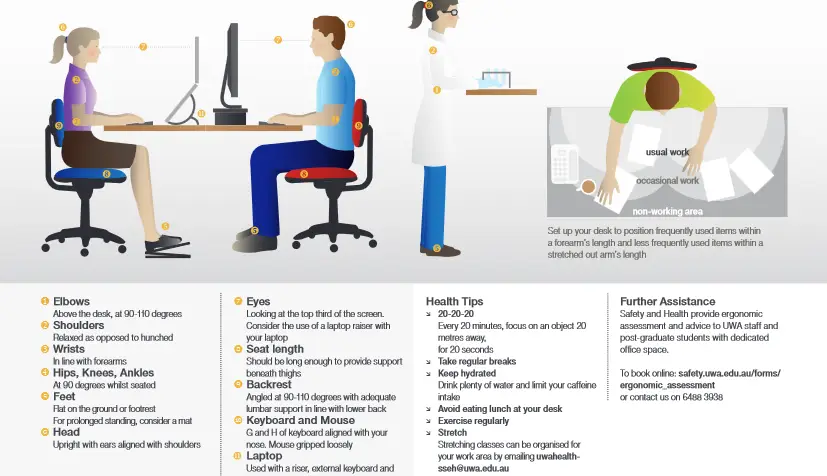
Leaning forward to look at your screen, rounding your shoulders, or craning your neck forward puts extra strain on the muscles that connect your neck, shoulders, and jaw. The forward head posture so common in office workers changes the alignment of the jaw joint and increases tension in the chewing muscles.
3. Reduced Movement and Breathing Patterns
Sitting for hours with shallow breathing (common during stressful work) keeps the neck and jaw muscles in a constantly guarded state. This lack of natural movement reduces blood flow and oxygen to the area, making pain and tightness worse.
4. The Vicious Cycle
Tight jaw muscles → altered posture → more stress → increased clenching → more pain. Many patients tell us the more stressed they feel about their jaw pain, the worse the clenching becomes.
How Physiotherapy Helps with TMJ and Jaw Pain
At Broadacres Physio, our approach goes far beyond simply telling you to “relax your jaw.” Nicola Walker, Jessica Krone, and Gemma Schultz use a combination of hands-on techniques and targeted exercises that address the root causes — posture, muscle tension, and stress-related habits.
Treatment typically includes:
- Manual therapy to release tight muscles around the jaw, neck, and shoulders
- Gentle joint mobilisation of the TMJ and upper neck
- Posture correction and ergonomic advice for your workstation
- Specific exercises to improve jaw mobility and control
- Breathing and relaxation techniques to reduce clenching
Many patients notice improvement within the first few sessions, especially when they combine treatment with simple daily changes.
Practical Tips You Can Start Today
Here are realistic strategies that fit into a busy Fourways office routine:
1. Jaw Relaxation Exercises
- Tongue on Roof of Mouth — Rest your tongue gently against the roof of your mouth with teeth slightly apart. This is your new “rest position” to break clenching habits.
- Gentle Jaw Opening — Place your tongue on the roof of your mouth and slowly open and close your jaw 10 times. Keep the movement smooth and pain-free.
2. Posture Resets
Set a reminder every 45–60 minutes to:
- Sit tall with shoulders relaxed
- Gently tuck your chin (like making a double chin) for 5 seconds
- Roll your shoulders back a few times
3. Neck and Shoulder Release
- Chin Tucks — 10 repetitions to strengthen deep neck muscles
- Upper Trapezius Stretch — Gently tilt your head to one side while keeping shoulders down. Hold 20–30 seconds per side.
- Doorway Chest Stretch — Open up tight chest muscles that pull your shoulders forward.
4. Stress Management Tools
- Take three slow, deep breaths (belly breathing) whenever you feel tension building.
- Try progressive muscle relaxation — tense and then release your jaw, neck, and shoulders.
- Limit caffeine in the afternoon if you notice it increases clenching.
5. Night-Time Habits
If you grind at night, a custom mouthguard from your dentist combined with daytime physio can be very effective.
When to See a Physiotherapist for Jaw Pain
Don’t wait until the pain affects your sleep or ability to eat. Consider visiting a physiotherapist in Fourways or Broadacres physio if you experience:
- Persistent jaw pain or clicking that lasts more than a few days
- Frequent headaches or ear pain linked to jaw tension
- Difficulty opening your mouth fully or chewing
- Neck and shoulder pain that seems connected to your jaw
- Teeth grinding noticed by your partner or dentist
Early intervention often prevents the problem from becoming chronic.
Jaw Pain and the Johannesburg Office Lifestyle
From early morning school runs in Fourways traffic to long days in Sandton or Fourways offices, followed by evening emails and weekend catch-up, the lifestyle here puts unique pressure on the body. Many professionals spend 8–10 hours a day at screens with high stress levels, then battle N1 traffic home.
This combination of sustained posture, mental stress, and limited movement creates ideal conditions for TMJ issues. The active Gauteng lifestyle — gym sessions, running, or family time — can also aggravate symptoms if underlying jaw and neck tension isn’t addressed.
Physiotherapy helps you stay productive at work while protecting your long-term comfort and health.
Conclusion
Jaw pain is rarely just about the jaw. For many desk-based professionals in Johannesburg, it’s a signal that stress, posture, and daily habits need attention. The link between office work, stress, and TMJ dysfunction is real — but it doesn’t have to control your days or nights.
With the right combination of manual therapy, targeted exercises, posture correction, and simple stress-management strategies, most people experience significant relief and learn how to prevent flare-ups.
At Broadacres Physio in Fourways, Nicola Walker, Jessica Krone, and Gemma Schultz have helped many local office workers finally break free from jaw pain and tension headaches. Our approach is gentle, practical, and tailored to real Johannesburg lifestyles.
Ready to ease the tension in your jaw and neck?
Book an assessment with our experienced team today. We’ll carefully examine your posture, jaw function, and contributing factors, then create a personalised plan to help you feel more comfortable and in control.
Visit https://www.baphysio.co.za or contact our Broadacres practice in Fourways to schedule your appointment.
Don’t let stress and desk life steal another pain-free day.
Internal linking suggestions:
- Link to “Neck Pain from Desk Work: Simple Fixes for Fourways Office Workers”
- Link to “Headaches in Joburg Traffic? It Could Be Your Neck”
- Link to “Desk Stretches You Can Do in 5 Minutes at Work”
- Link to “Posture Correction for Teenagers Using Phones and Laptops”
FAQ
Q1: Can stress really cause jaw pain? Yes. Stress often leads to unconscious clenching or grinding (bruxism), which overworks the TMJ muscles and joint.
Q2: How quickly can physiotherapy help TMJ pain? Many patients feel noticeable relief within 2–4 sessions, especially when combining hands-on treatment with home exercises and posture changes.
Q3: Should I wear a mouthguard for jaw pain? A custom mouthguard from your dentist can protect your teeth at night, but physiotherapy addresses the muscle tension and posture issues during the day.
Q4: Is it normal for my jaw to click? Occasional clicking without pain is common, but painful clicking, locking, or limited movement should be assessed by a physiotherapist.
Q5: Do I need a referral to see a physiotherapist for TMJ problems? No referral is required. You can book directly with Broadacres Physio in Fourways.
Take Control of Your Pain Today
Don’t let pain or stiffness hold you back. Heat and cold therapy at Broadacres Physio in Broadacres, Fourways can help you manage discomfort, recover faster, and live an active life. Our expert physiotherapists are ready to guide you with personalized, science-backed care.
Ready to feel the difference? Visit www.baphysio.co.za to book your appointment today. Let Broadacres Physio help you thrive in Fourways, Johannesburg!
📍 Visit us at Broadacres Physio in Fourways
📞 Call us on 011 467 8300
📧 Email us at admin@baphysio.co.za
🌐 www.baphysio.co.za
Let’s get you moving, healing, and thriving — the way your body was designed to.
Broadacres Physio – Where Healing Starts With Understanding
At Broadacres Physio, we believe that healing starts by understanding you. By treating the underlying causes — not just the symptoms — we give you the tools, knowledge, and support to reclaim your health and stay pain-free for the long run.
Let’s keep you moving. Book your session today at www.baphysio.co.za.
Add a Comment